How Casino Imagery Became a Shortcut for Glamour
Casino imagery turns chandeliers, velvet and bright tables into shorthand for glamour; learn what these familiar motifs suggest—and what they cannot tell you.
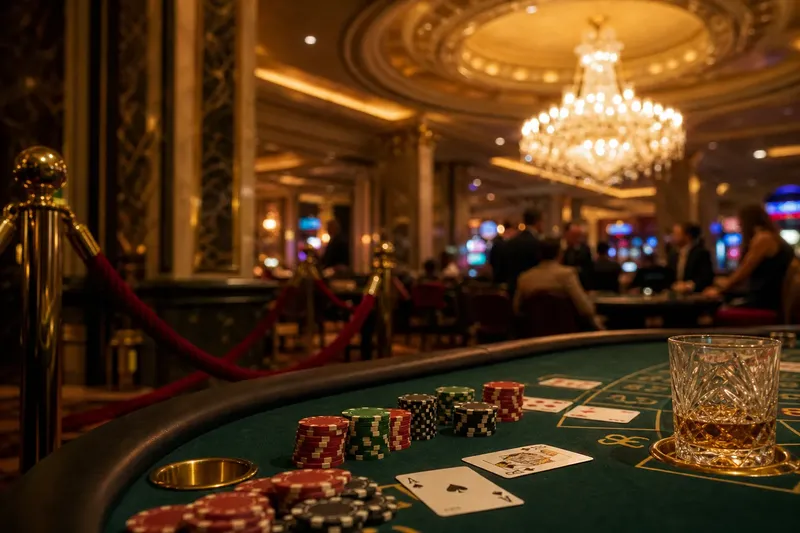
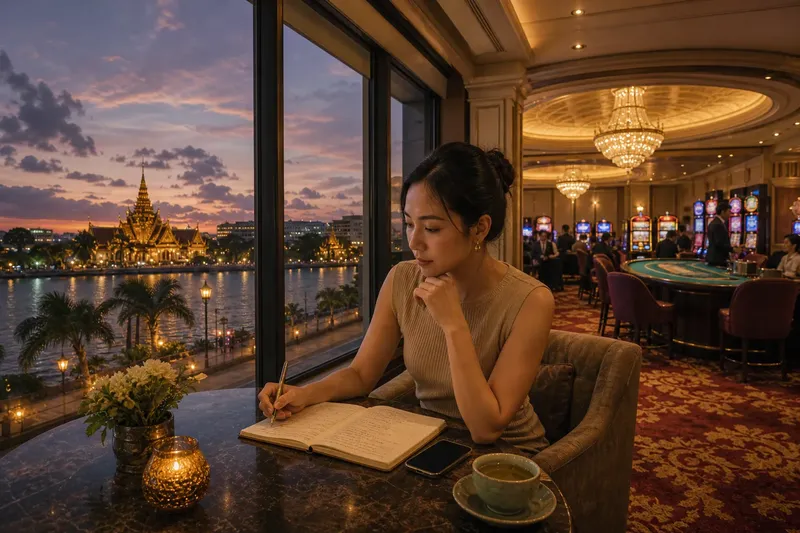
Casino imagery often begins with a glittering chandelier, a sweep of velvet or a close-up of cards on green felt. These familiar pictures make glamour easy to recognise, but they are not reliable descriptions of a real venue, including a casino in Sóc Trăng. Their meaning comes from repetition across film, advertising and popular media.
How casino imagery works
A visual motif is an image or detail that recurs until audiences associate it with a broader idea. In casino portrayals, polished surfaces and dramatic lighting can suggest wealth, secrecy or excitement before a viewer knows anything about the place itself.
The shortcut is useful to storytellers: a few recognisable objects can establish a setting quickly. But an image designed to communicate a mood leaves out ordinary details such as the building’s location, its services, the atmosphere at different times, and who actually visits.
Seven recurring motifs
- Chandeliers and reflected light. A chandelier often signals luxury, while reflections on glass or polished stone make a room seem larger and more dazzling. In a film, this creates an impression of abundance; it does not tell a viewer how spacious, bright or ornate an actual venue is.
- Velvet ropes and guarded entrances. A rope barrier can imply exclusivity, private access or a threshold into a different world. The image is dramatic because it divides those who may enter from those who must wait, yet a real entrance may be modest and governed by practical access arrangements rather than theatrical ceremony.
- Green felt and close-up cards. The table surface, cards and chips are instantly legible symbols of gambling. Framing them tightly keeps attention on the game and hands, but it conceals the wider room, the range of available activities and the social character of the venue.
- Gold, black and deep red. These colours recur in posters and screen scenes because they can feel rich, intimate or intense. Their effect depends on contrast and context: a gold accent may read as elegant in one design and gaudy in another, so colour alone says little about a venue’s actual style.
- Mirrors and endless corridors. Reflected lights and repeating doorways can make a space feel mysterious or disorienting. Such imagery serves a story about uncertainty, not a floor plan; it cannot establish how a real building is arranged or how easy it is to find a particular area.
- Formal clothes and poised guests. Tailored jackets, evening dresses and composed expressions frame the casino as a place for occasion and status. The scene may fit a particular advertisement or story, but it should not be treated as a dress code or a portrait of the full range of visitors.
- Fountains and sweeping façades. A dramatic exterior can connect gambling with spectacle, travel and resort-style leisure. The image may represent an entire entertainment district or a fictional composite, rather than the entrance or scale of one specific casino.
Read each motif as a cue about the image-maker’s intended mood, not as a promise about the place.
Why the shorthand lasts
Repeated imagery makes unfamiliar settings immediately readable. A viewer sees chips, velvet and glittering lights and recognises “casino” without needing a caption. That speed suits trailers, posters and promotional material, where a small number of frames must convey a setting or feeling.
The motifs also borrow from older ideas about luxury: polished materials, formal dress and controlled access. Media can combine them into a single heightened scene, even when those details would not naturally appear together in one venue. The result is a visual shorthand assembled for effect.
What the image leaves out
A glamorous portrayal is selective by design. It may emphasise a grand room while omitting quieter spaces, ordinary signage, staff routines, accessibility details or the surrounding neighbourhood. A still image also freezes one moment, so it cannot convey how busy, calm or welcoming a place feels at another time.
For someone considering a visit to Sóc Trăng, a cinematic image is therefore a poor substitute for current, venue-specific information. Look for clear details about the address, opening arrangements, facilities and visitor requirements, and distinguish promotional imagery from practical descriptions.
Questions behind the image?
Does a glamorous picture prove a casino is luxurious?
No. Lighting, colour grading, camera angles and selected furnishings can create an impression of luxury without describing the whole venue. Treat the picture as presentation, then check concrete information about the place.
Can casino imagery tell me what visitors wear?
Not reliably. Formal clothing is a familiar media convention, but a photograph or film scene does not establish current expectations for entry. Check the venue’s own visitor information if dress requirements matter to your plans.
Why do many portrayals look alike?
Recurring motifs help audiences identify a casino setting quickly, so creators have a reason to reuse recognisable signs such as cards, velvet and bright lights. The repetition makes the images familiar, not necessarily accurate.
How should I compare images with venue information?
Separate atmosphere from practical claims: note what the image suggests, then verify details such as location, facilities and access through current venue information. If those sources do not answer a question, contact the venue rather than inferring an answer from its décor.
A useful viewing habit
Say you see a Sóc Trăng travel poster showing a chandelier above a card table. It suggests an upscale mood, but the poster alone does not establish that the pictured room exists locally; checking the named venue’s current description could clarify what is actually offered.
When casino imagery appears, ask what the frame wants you to feel, then ask what information it cannot provide. That distinction lets the glamour remain part of the picture without mistaking it for a dependable account of a real place.